
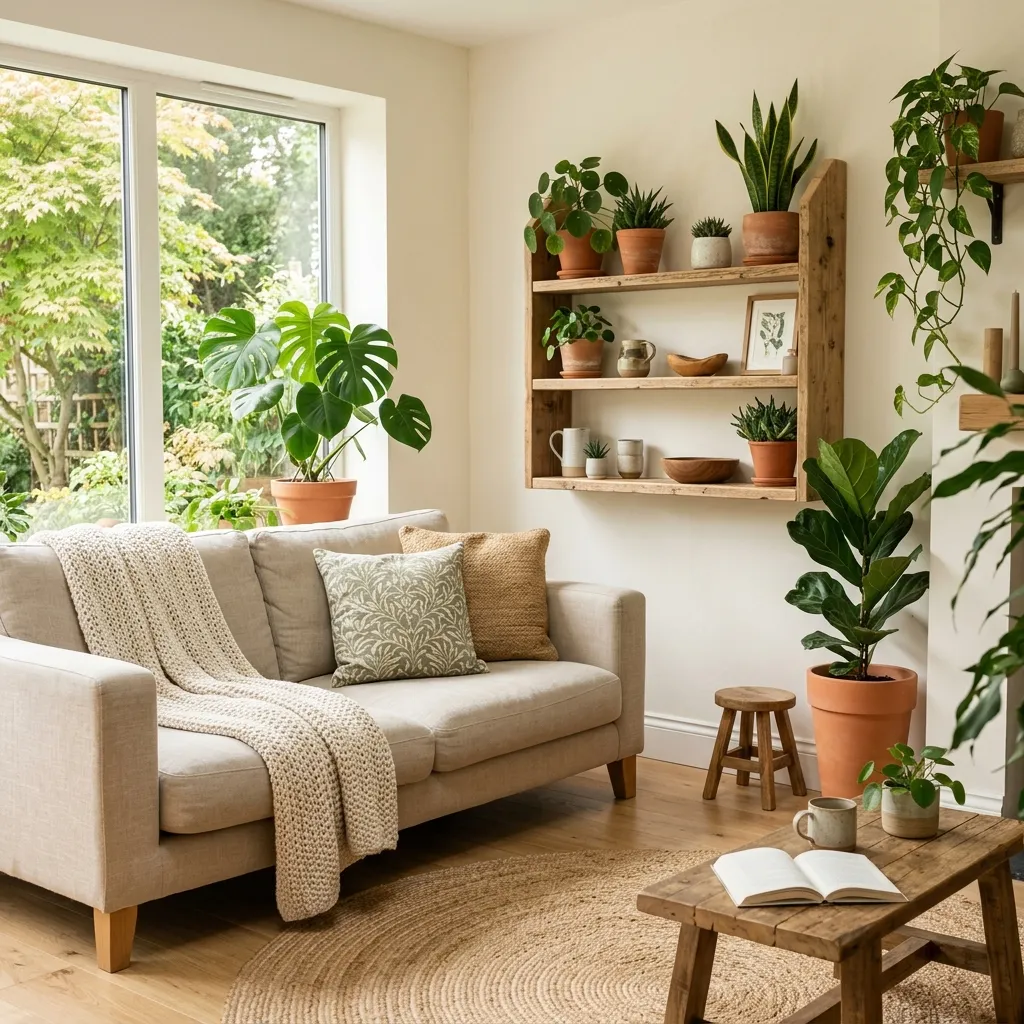
Creating a beautiful living space doesn't have to come at the expense of our planet. As we move through 2026, sustainable interior design is transitioning from a niche preference to a global standard. Homeowners and renters alike are seeking pieces that tell a story, support local communities, and respect the environment.
1. Earthy Textures and Unfinished Wood
In 2026, we are moving away from hyper-polished, synthetic finishes. Instead, raw, organic materials are taking center stage. Think unfinished oak tables, natural rattan accent chairs, and hand-woven jute rugs. These elements bring warmth and texture into any room while ensuring low environmental processing footprints.
2. Upcycled and Reclaimed Materials
Giving new life to old materials is both creative and circular. Reclaimed wood shelves, upcycled glass vases, and furniture crafted from industrial offcuts are highly sought after. Each piece carries a unique history, adding character and depth to modern home aesthetics.
3. The Artisan Renaissance
Mass-produced items are losing their appeal. Consumers are rediscovering the beauty of artisan craftsmanship. Hand-thrown ceramic mugs, hand-loomed throw blankets, and custom woodcarvings are becoming the focal points of conscious homes. Choosing handmade items supports local heritage and reduces mass-production waste.
4. Multi-Functional Green Spaces
Indoor plants have been popular for years, but 2026 is all about integrating greenery into functional home furniture. We are seeing wall-mounted herb planters, plant stands built into desks, and built-in living walls. These designs improve air quality and establish a direct connection to nature.
5. Conscious Color Palettes
Warm earth tones, soft terracottas, sage greens, and warm sand colors are dominating color schemes this year. These shades evoke a sense of calm, tranquility, and grounding, perfectly reflecting the values of eco-conscious living.